A name that carried history
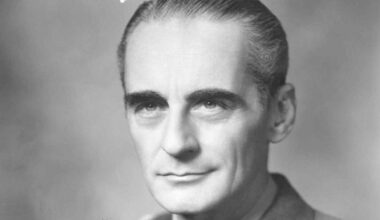
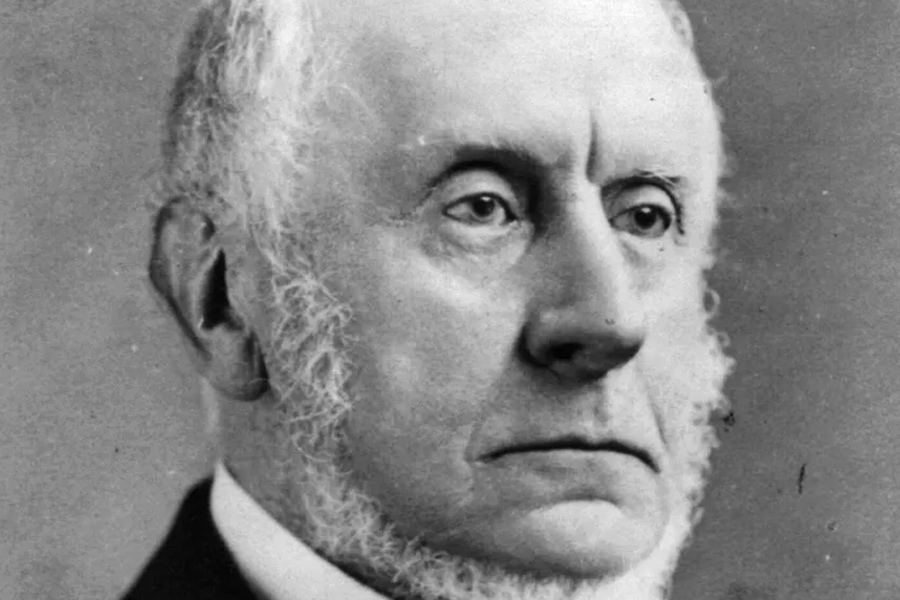
I think of Charles Francis Adams Iv as a man born with a long echo behind him. He arrived in Boston on May 2, 1910, inside one of America’s most storied families, a line threaded through politics, diplomacy, commerce, and public duty. That inheritance could have been a gilded cage. Instead, he used it like a compass. He moved through elite schools, naval service, and corporate leadership with a steady, practical force that felt more engineered than theatrical.
He was the son of Charles Francis Adams III and Frances Lovering Adams, the younger branch of a family tree that had already produced presidents, statesmen, and a thick shelf of American history. He was not merely a descendant of famous men. He became a builder in his own right, a leader in industry, and a wartime naval officer who carried responsibility as naturally as others carry a coat.
| Family Member | Relationship to Charles Francis Adams Iv | Notes |
|---|---|---|
| Charles Francis Adams III | Father | U.S. Secretary of the Navy, central link to the Adams political line |
| Frances Lovering Adams | Mother | Daughter of William C. Lovering |
| Catherine Lovering Adams Morgan | Sister | Married Henry Sturgis Morgan |
| Margaret Stockton Adams | First wife | Mother of his four children |
| Abigail A. Manny | Daughter | Later married James C. Manny |
| Alison A. Hagan | Daughter | Also known in earlier life as Alison Adams |
| Charles Francis Adams V | Son | Continued the Adams family name |
| Timothy Adams | Son | Youngest of the four children |
| Beatrice D. Penati | Second wife | Married him later in life |
| Giannotto Penati | Stepson | Son of Beatrice D. Penati |
Family roots and inherited gravity
The Adams family was noisy. This public family looked constructed from documents, votes, letters, and conflicts. Charles Francis Adams Iv was several generations from John and John Quincy Adams, which mattered. It gave him status and an invisible audience. People viewed him historically.
As Secretary of the Navy, his father Charles Francis Adams III was well-known. Mother Frances Lovering Adams linked the family to another prominent influence. His sister Catherine Lovering Adams married Morgan, connecting two historic American power dynasties. Charles Francis Adams IV was not raised in a tiny orbit. Living in a constellation.
Those family dynamics seem balanced. Titles, inheritance, discipline, education, and obligation were present. That atmosphere shaped him. He seems to have inherited a name and standard.
Education, early formation, and the Navy
Charles Francis Adams Iv attended St. Mark’s School, then Harvard College, where he graduated in 1932. He also attended Harvard Business School. Those years gave him the polished tools of the era’s upper class, but he did not remain a man of classrooms alone.
In 1932, he was commissioned in the Naval Reserve. That choice says a great deal. He could have drifted into comfort, but he went toward service. He rose through the ranks and, during World War II, commanded the destroyer escort USS William Seiverling when it was commissioned in 1944. By then, the family name had been translated into action. He was not simply a descendant of duty. He was a practitioner of it.
He left naval service in 1946. That timing matters. He came out of the war into a reshaped America, one where industry, technology, and scale would define the future. He was ready for that future.
Raytheon and the making of an industrial leader
His career at Raytheon became the central chapter of his working life. In 1948, he became the company’s first president. Later, he returned as president from 1962 to 1964 and served as chairman in the years that followed. There is some disagreement in later summaries about the exact year his chairmanship ended, but the broader fact is clear: he stood at the top of a major American technology company for a long stretch of the postwar era.
Raytheon grew dramatically under his leadership. The scale is almost cinematic. Sales expanded many times over, the workforce reached more than 55,000, and the company became a force in Massachusetts industry. He helped guide an organization that sat at the intersection of engineering, defense, and business strategy. That was not a decorative role. It was a command center.
I see his career as a bridge between old Boston inheritance and modern corporate America. He did not abandon tradition. He converted it into leadership. He was the kind of executive who understood that an institution can be both a machine and a promise.
Marriage, children, and the intimate shape of his life
His first marriage was to Margaret Stockton Adams in 1934. Their marriage produced four children, and those children form the most personal branch of his legacy. The family continued, as families do, through names, marriages, and new households.
Abigail A. Manny was one of his daughters. She later married James C. Manny, carrying the Adams line into a new generation and a new surname. Alison A. Hagan was another daughter, also known earlier as Alison Adams. Charles Francis Adams V was his son, and the continuation of the family name itself carries symbolic weight in a line so steeped in continuity. Timothy Adams was his youngest child.
Later in life, he married Beatrice D. Penati. That marriage added another layer to the family structure through her son, Giannotto Penati, who became Charles Francis Adams Iv’s stepson. This was a later chapter, quieter than the first, but still part of the domestic map.
What stands out to me is that his family life was not just a footnote to his career. It was a parallel structure. The same themes show up again and again: continuity, responsibility, inheritance, and the shaping of the future from what came before.
Honors, affiliations, and a life of public recognition
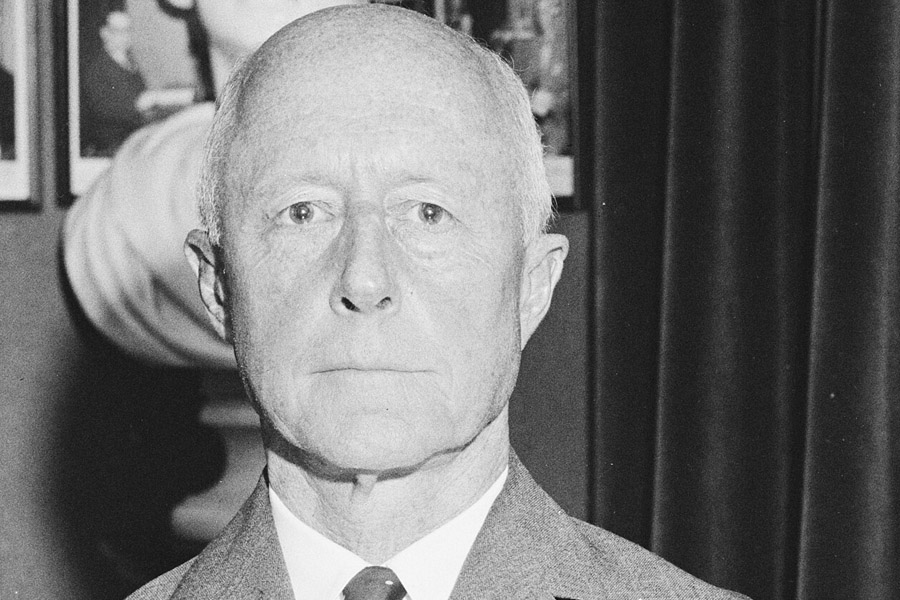
His public life earned him awards that matched his efforts. A 1959 American Academy of Arts and Sciences Fellow. Suffolk University, Northeastern University, Bates College, and Tufts University awarded him honorary degrees. These honors show his respect in corporate, civic, and academic areas.
He was on many boards and organizations, demonstrating his impact. In mid-century America, industrial executives routinely moved between corporate, philanthropic, and institutional roles. His reach feels extremely cohesive. He was steady. He was linked.
A timeline in motion
Charles Francis Adams Iv was born in 1910, educated in the elite schools of New England, commissioned in 1932, married in 1934, served in World War II, and stepped into Raytheon leadership in 1948. By 1959, he had earned major academic recognition. In the 1960s and 1970s, he remained tied to the upper levels of corporate command. He died on January 5, 1999, in Dover, Massachusetts, at age 88.
That span covers a century’s transformation in miniature. He lived through the decline of horse-drawn Boston gentility, the rise of wartime mobilization, the expansion of American electronics, and the emergence of modern corporate power. His life did not merely pass through those eras. It helped organize one of them.
FAQ
Who was Charles Francis Adams Iv?
He was an American industrial leader, naval officer, and member of the Adams family. He became the first president of Raytheon and later served in senior leadership roles there. He was also the great-great-great-grandson of John Adams and the great-great-grandson of John Quincy Adams.
Who were his immediate family members?
His father was Charles Francis Adams III, his mother was Frances Lovering Adams, and his sister was Catherine Lovering Adams Morgan. His first wife was Margaret Stockton Adams, and his second wife was Beatrice D. Penati. His children were Abigail A. Manny, Alison A. Hagan, Charles Francis Adams V, and Timothy Adams. His stepson was Giannotto Penati.
What was his main professional achievement?
His most important professional achievement was helping lead Raytheon from a growing postwar company into a major industrial force. He served as the company’s first president in 1948 and later returned to top leadership in the 1960s and 1970s.
Did he serve in the military?
Yes. He joined the Naval Reserve in 1932 and served during World War II. In 1944, he commanded the USS William Seiverling when it was commissioned. He left naval service in 1946.
Why does his family matter so much in his biography?
Because the Adams family is one of the most historically significant families in the United States. His life carried the weight of that lineage, but he also built his own legacy through military service and industrial leadership. The family name was a foundation, not a substitute.
What makes his life story distinctive?
It is the combination of old lineage and modern achievement. He was born into history, but he did not live only in its shadow. He helped shape the world of postwar American industry, and he did it with the calm authority of someone who understood both duty and scale.