A doctor shaped by longevity, duty, and public service
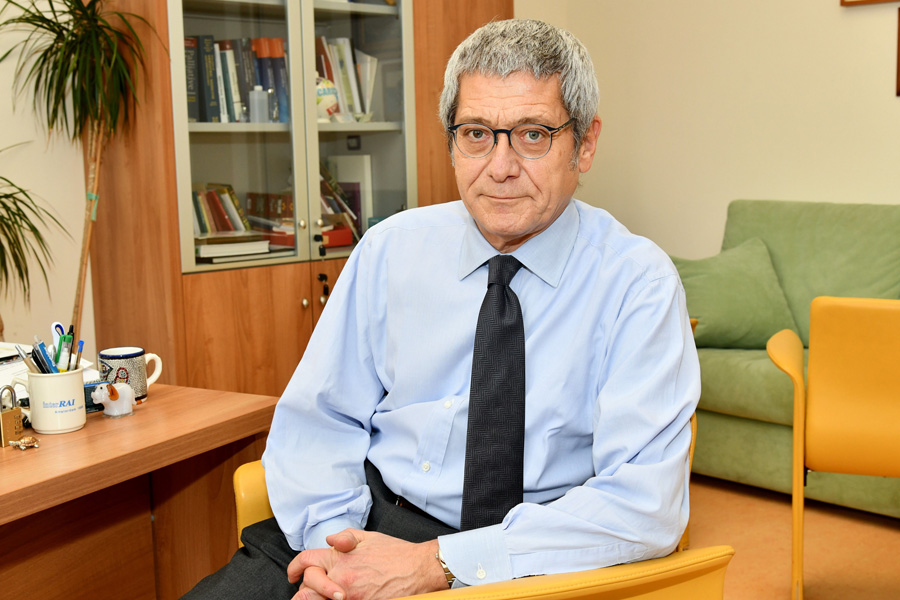
Roberto Bernabei is a doctor whose life has revolved around one of the oldest human questions: how can we age well? He worked in medicine, research, teaching, and public service after being born in Florence on January 24, 1952. He specialized in internal medicine and cardiovascular illnesses after graduating from the Catholic University of Rome in 1976 in Medicine and Surgery. Early foundations crucial. He gained a broad clinical lens, which is essential when the body speaks in numerous voices.
The designation “geriatrician” merely scratches the surface of Bernabei. He has studied older individuals, frailty, home care, multimorbidity, prevention, and long life’s practical dignity. His profile implies a more human side in a clinical sector. He connects research with caring, hospital corridors and daily life.
A career built around internal medicine and aging
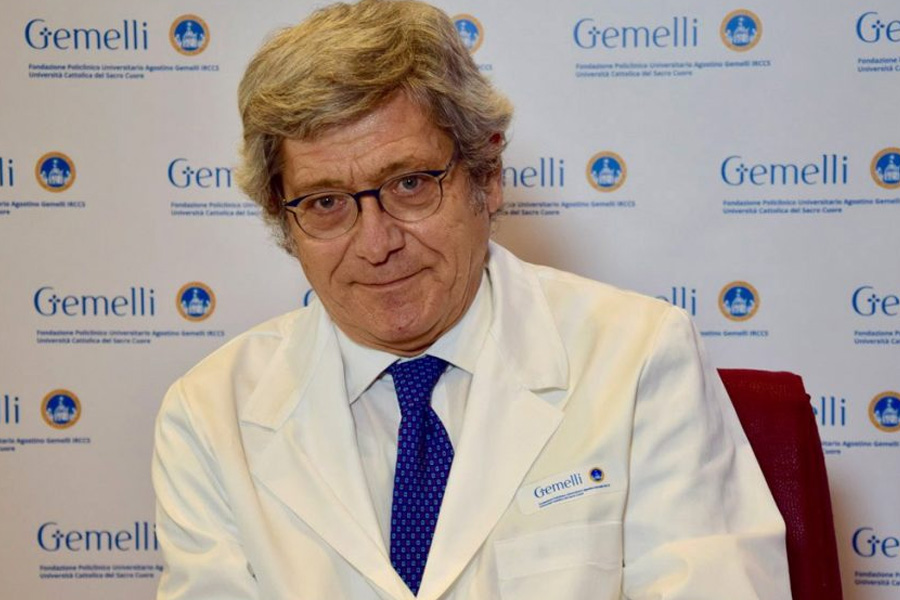
His professional path has been long and highly visible. At the Catholic University of Rome and the Gemelli network, Bernabei has held important academic and clinical roles. He has been described as director of the geriatric specialization school and as a long time leader in aging medicine. He also served as president of the Italian Society of Gerontology and Geriatrics from 2006 to 2009, and he was a visiting professor at Brown University in the United States from 2000 to 2009.
Those dates matter because they show continuity. This was not a career shaped by a single lucky appointment. It was built like a stone house, one layer at a time. He also served in the Italian Superior Health Council across multiple periods, which placed him close to national health policy. That kind of position means a doctor is not only treating patients but also helping shape the rules and priorities of care.
One of his best known public roles came in 2021, when he was named personal physician to Pope Francis. That appointment brought him into a rare and highly visible setting. It also reflected trust, expertise, and a reputation built over decades rather than weeks. By then, Bernabei was already known as someone deeply engaged in geriatric medicine and healthy aging.
I also find his work at the center of Italy’s longevity conversation especially important. He has been involved with Italia Longeva, an organization focused on aging well, prevention, and support for older people. In that role, he appears less like a distant authority and more like a guide mapping a difficult terrain. Aging, after all, is not a straight road. It is a winding path, sometimes bright, sometimes rough, always personal.
Research, achievements, and practical impact
Bernabei’s achievements are not only institutional. They are also scientific and practical. His work has touched on healthy aging, frailty, sarcopenia, vaccinations in older adults, home care, and the management of chronic conditions. These are not glamorous topics, but they are the foundations of a humane health system. They determine whether people remain mobile, independent, and seen.
He is associated with the idea of bringing care closer to home, including the Gemelli a casa model, which reflects a shift away from treating older adults as if every problem must be solved inside a hospital. That matters. Home care can feel like opening a window in a locked room. It makes medicine less abstract and more faithful to real life.
His public work also overlaps with health communication. He has spoken frequently about exercise, diet, prevention, and the habits that help people live longer with more function and less fragility. In that sense, his career has a double pulse. One beat belongs to the clinic, the other to public education.
The Bernabei family, a public name with many branches
Roberto Bernabei belongs to one of the most visible Italian media and business families connected to Ettore Bernabei. That family identity is not a footnote. It is part of the landscape around him. Ettore Bernabei was a major figure in Italian broadcasting and later founded Lux Vide, leaving a mark that reached far beyond one profession or one generation.
Roberto is described as one of Ettore Bernabei’s children, and the family includes several well known names. His wife is the actress Sydne Rome, and together they have two children. Public details about the children are limited, which gives them a private space inside a very public family. That privacy feels deliberate and sensible.
Family members
| Family member | Relationship to Roberto Bernabei | Publicly known context |
|---|---|---|
| Ettore Bernabei | Father | Television executive, founder of Lux Vide, major figure in Italian media |
| Elisa Gallucci | Mother | Wife of Ettore Bernabei, mother of the Bernabei children |
| Sydne Rome | Wife | Actress with an international career |
| Marco Bernabei | Brother | Connected to the family archive and family memory work |
| Matilde Bernabei | Sister | Journalist, producer, business executive, co founder and later president of Lux Vide |
| Laura Bernabei | Sister | Fashion stylist, linked to the design world |
| Luca Bernabei | Brother | Film and television producer, Lux Vide executive |
| Giovanni Bernabei | Brother | Linked to Lux Vide operations and facilities management |
| Andrea Bernabei | Sibling | Publicly noted as part of the family |
| Paola Bernabei | Sibling | Publicly noted as part of the family |
The family’s diversity stands out. Some siblings went into media, production, style, or business; Roberto chose medicine. It resembles a tree with branches facing different winds. Shared roots, but each branch followed its own light.
Sydne Rome enriches the family. Internationally known as an actress, her marriage to Roberto links medicine, film, public service, and performance. This alliance appears weird at first. Ultimately, both realms deal with human presence, vulnerability, and body tales.
Matilde Bernabei is important to the family. Her role with Lux Vide and Italian television provides Bernabei cultural significance. Popular film and TV producer Luca Bernabei. These relatives form a little constellation, with Roberto excelling in medicine rather than entertainment.
Why Roberto Bernabei remains publicly relevant
I think Roberto Bernabei stays relevant because he stands at the intersection of several important themes. He represents aging in a country with a rapidly older population. He represents medicine that must adapt to complexity. He represents the idea that public service can remain intellectually serious and deeply humane.
He is also relevant because his story is not narrow. He is a physician, professor, researcher, policy figure, and public voice. At the same time, he is part of a prominent family with strong cultural and business ties. That mix makes him more than a specialist. It makes him a figure whose life touches several Italian stories at once.
FAQ
Who is Roberto Bernabei?
Roberto Bernabei is an Italian physician and geriatrician born in Florence in 1952. He is known for his work in internal medicine, aging, healthy longevity, and public health leadership.
Who are Roberto Bernabei’s family members?
His father was Ettore Bernabei, his mother was Elisa Gallucci, his wife is Sydne Rome, and his siblings include Marco, Matilde, Laura, Luca, Giovanni, Andrea, and Paola Bernabei.
What is Roberto Bernabei best known for professionally?
He is best known for geriatric medicine, academic leadership, aging research, health policy roles, and his appointment as personal physician to Pope Francis in 2021.
Is Roberto Bernabei connected to the Lux Vide family?
Yes. The Bernabei family is closely linked to Lux Vide through Ettore Bernabei and siblings such as Matilde and Luca Bernabei. Roberto is part of that family, although his own career is in medicine rather than media.
What themes define Roberto Bernabei’s work?
His work centers on older adults, frailty, home care, prevention, healthy aging, and the idea that medicine should protect independence as much as it treats disease.
Is Roberto Bernabei’s family life public?
Only partly. Some relatives are well known in media and business, but details about his own children are limited, and public information about them remains sparse.