A life that left a long shadow
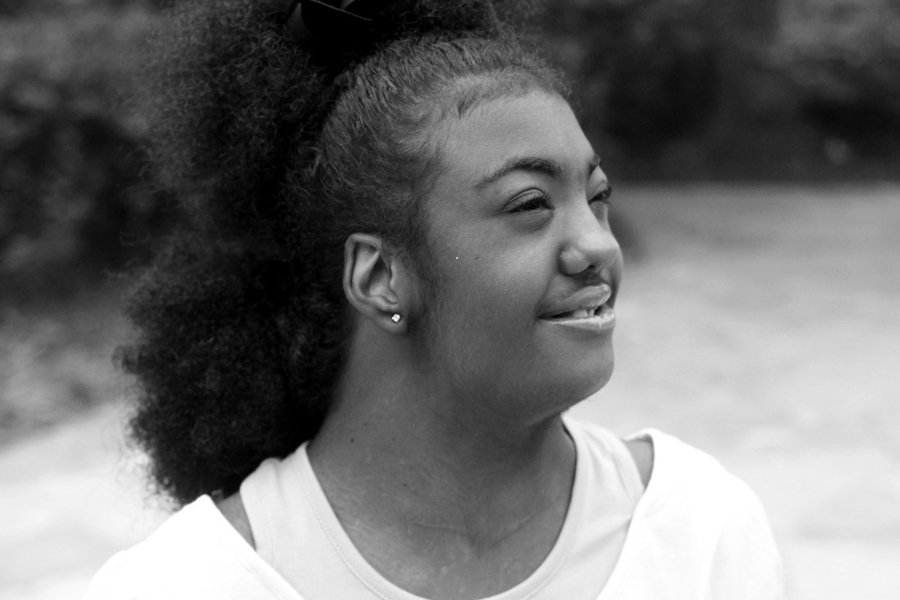
I think of Ashlyn Horry as the kind of person whose life was brief in years but wide in meaning. Her story is not one of celebrity in the usual sense. It is not built on trophies, headlines, or a public stage. It is built on family, endurance, and the hard, luminous work of loving someone through illness. Ashlyn Horry was born on April 2, 1994, and she died on June 14, 2011, at only 17 years old. Those dates matter because they frame a life that moved through pain, medical uncertainty, and devotion from the people around her.
I see her story as a single candle in a large room. The flame was small, but it changed the way the room looked. In the public record, Ashlyn is remembered as the first child of Robert Horry and Keva DeVelle-Horry, and as a young girl who lived with 1p36 deletion syndrome, a rare genetic condition that shaped her childhood from the very beginning. She spent her first six months at Texas Children’s Hospital, which tells me how early the struggle began and how deeply care became part of her family’s daily life.
Ashlyn Horry’s early life and medical journey
Ashlyn’s childhood was filled with hospitals, tests, and concern. Her life was not public, but it had value because it showed how disease rewrites time, which many families know but few can explain. Days become appointments. Monthly milestones. A family calendar becomes a therapy and hope map.
Her unusual disease, 1p36 deletion syndrome, can make a family feel like they’re traveling through fog with a lantern. The light is there but limited. Ashlyn’s parents carried the responsibility with dedication. Medical issues and a difficult childhood are described in public records. That doesn’t remove her personality, but it explains why Ashlyn’s public image is based on resilience rather than biography.
Ashlyn’s not my first symbol. She was a daughter, sister, and youngster who lived in a household that had to grow stronger than planned.
Robert Horry and the father-daughter bond
Robert Horry is the most widely known member of Ashlyn’s family. He is a former NBA player, and his public life is built on championships and sports fame. Yet Ashlyn’s story reveals another side of him, one that sits away from arenas and broadcast lights. It shows a father navigating the unbearable arithmetic of illness, where love is measured not in points but in presence.
Robert Horry’s public remarks over the years have made clear that Ashlyn’s health journey changed the way he thought about care, access, and medical support. That is important. A parent’s life can be split into before and after, and Ashlyn’s illness appears to have marked that line with deep force. For him, she was not a news story. She was his daughter. That distinction matters because it gives the family story weight and intimacy.
When I think about Robert Horry in relation to Ashlyn, I think of a man who had to hold two worlds at once: the visible world of professional sports and the private world of a child in crisis. Those worlds do not blend neatly. They collide like tides. And in that collision, family priorities become clear.
Keva DeVelle-Horry and the mother’s role
Keva DeVelle-Horry is central to Ashlyn’s story. Publicly, she is described as an author and speaker, but in the context of Ashlyn’s life, she is also a mother who turned grief and care into advocacy. Her connection to Ashlyn is not just biological. It is narrative, emotional, and enduring.
I read Keva’s role as the kind many mothers know but few outsiders can fully grasp. She had to be a translator between medical language and family language. She had to make decisions under pressure, absorb fear without letting it stop her, and keep going when normal life had already been broken into pieces. In stories like Ashlyn’s, mothers often become the steady drumbeat under everything else. They keep time when life itself has become uncertain.
The family legacy around Ashlyn also appears to have been shaped by Keva’s determination to keep her daughter’s memory alive in public ways. That makes her part of the story not only as a parent, but as a custodian of remembrance.
Cameron Horry, sibling bonds, and the shape of a family
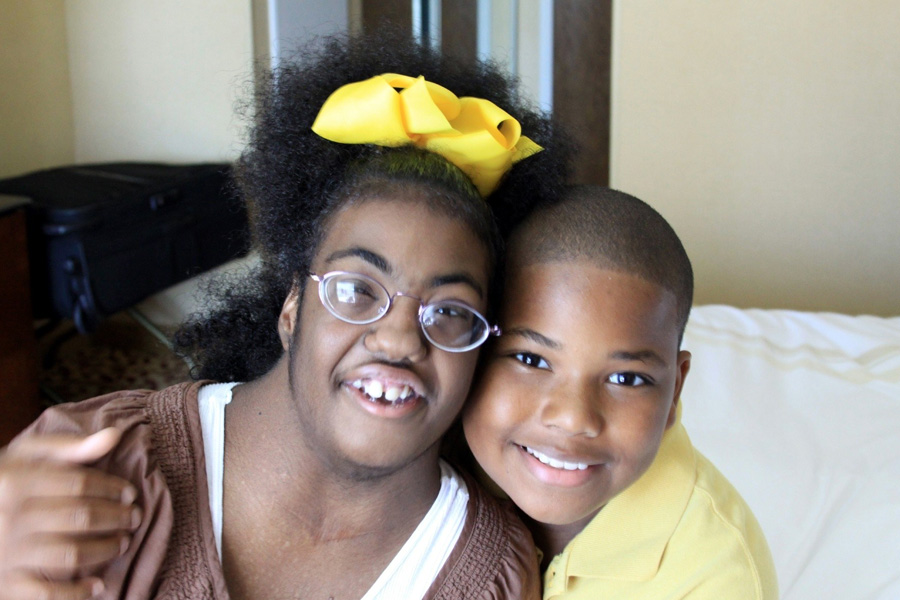
Ashlyn also had a brother, Cameron Horry. Sibling relationships in families shaped by illness can be complicated, tender, and deeply formative. A brother in that setting often grows up fast, not because he must become an adult, but because the family atmosphere demands awareness, patience, and a different kind of maturity.
I cannot read Cameron’s inner life from the outside, but I can say that his place in the family matters. A sibling is a witness. A sibling remembers the ordinary moments that public life ignores. The jokes, the routines, the small rituals, the sound of a house before and after a difficult appointment. Those details are often the threads that hold memory together.
For Ashlyn, having a brother means her story was not solitary. It lived inside a household with multiple voices, multiple loyalties, and multiple forms of love.
Robert Horry Sr. and Leila Horry, the family line behind the story
She is related to Robert Horry Sr. and Leila Horry, her paternal grandparents. Grandparents are frequently the background of family stories like roots. They may not be the loudest names, but they describe how a family handles pressure and draws strength.
I think grandparents provide consistency in stories like this. They link generations. They demonstrate that a family is a chain of memories rather than a single household. Ashlyn’s brief life fit into that broader family.
The combination of public fame and private pain gives her family tale a unique character. People can look distant due to fame. Life might feel fragile when sick. They form a visible, intimate portrayal.
The legacy attached to Ashlyn Horry
Ashlyn’s legacy is largely carried through her family’s advocacy and remembrance. The public face of that legacy includes the Ashlyn Horry Foundation, which has helped keep her name associated with awareness, support, and the human side of rare disease. That matters because some lives become enduring not through long careers, but through the moral force they leave behind.
I find something deeply human in this kind of legacy. It does not glitter. It glows. It says that a person can matter beyond their lifespan, beyond their school years, beyond the medical charts that once defined their days. Ashlyn’s name continues because her family chose not to let it fade into silence.
FAQ
Who was Ashlyn Horry?
Ashlyn Horry was the daughter of Robert Horry and Keva DeVelle-Horry. She was born on April 2, 1994, lived with 1p36 deletion syndrome, and died on June 14, 2011, at age 17.
Who are the main family members connected to Ashlyn Horry?
The main publicly documented family members are her father Robert Horry, her mother Keva DeVelle-Horry, her brother Cameron Horry, and her paternal grandparents Robert Horry Sr. and Leila Horry.
What was Ashlyn Horry known for?
She is remembered for her family story, her rare medical condition, and the lasting legacy carried forward by her parents and the Ashlyn Horry Foundation.
Did Ashlyn Horry have a public career?
No public career was documented. Her public story centers on her life, her family, and the advocacy that followed.
Why does Ashlyn Horry’s story still matter?
Her story matters because it shows how a family can turn private hardship into public remembrance. It also shows how love can endure after loss, carrying a name forward like a lantern in the dark.