Discovering Bharath Krishna Rao Through His Roots
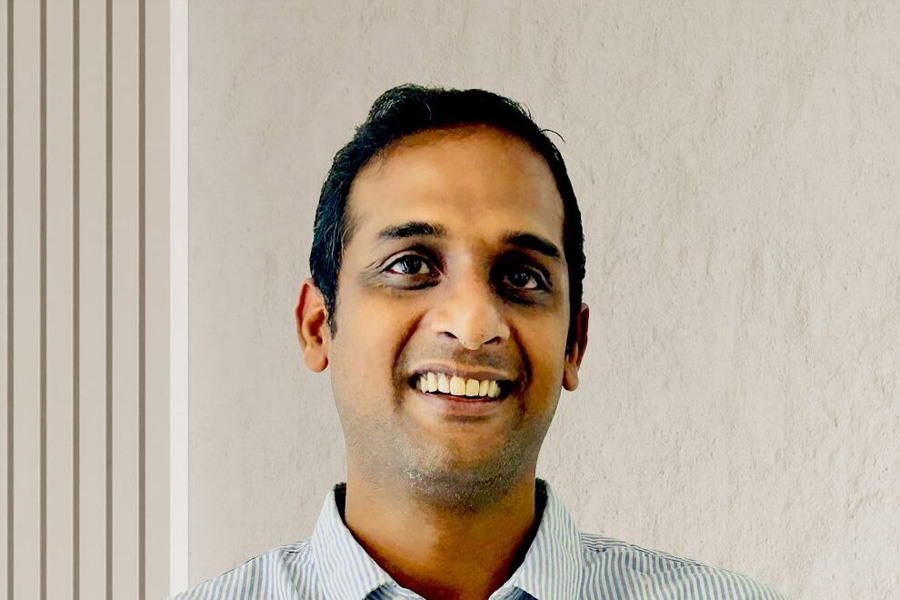
Entrepreneurs who turn family legacies into modern empires have always impressed me. Bharath Krishna Rao embodies that. As a member of the Potluri business family, he was exposed to telecom and renewables technologies. In the early 1980s, his father Dr. Raja Mohan Rao Potluri started United Telecoms Limited. That one step started India’s rural telecom revolution and led to hundreds of megawatts of wind and solar power.
Around the turn of the century, Bharath Krishna Rao entered the big idea arena. His first directorship was at Itasca Software Development Private Limited in 2007. The numbers speak for themselves. More than 21 operating enterprises have him as director or managing director. Renewable energy storage, electric vehicles, and sophisticated manufacturing. DIN 01716582 emerges in business records as a quiet evidence of consistent leadership.
His ability to blend old and new intrigues me. The family founded India’s first mobile services in Andhra Pradesh and Karnataka in the 1990s. Scaling technology lessons were applied to renewable energy by Bharath Krishna Rao. He saw battery system and electric mobility deficiencies early on. United Sustainable Energy India Private Limited appointed him managing director in 2011. This role allowed him to grow wind and solar assets while thinking big.
The Potluri Family: A Network of Shared Vision
Family for Bharath Krishna Rao is not just personal. It functions like a well oiled engine driving multiple sectors. I see it as a living metaphor for sustainable growth where each member powers the next.
Here is a clear snapshot of the immediate family circle in table form for easy reference.
| Family Member | Role and Key Details | Notable Contributions |
|---|---|---|
| Dr Raja Mohan Rao Potluri (Father) | Founder of UTL Group economist with doctorate from National Council of Applied Economic Research | Telecom pioneer awards include Telecom Man of the Year 1992 93 and Lifetime Achievement 2023 |
| Dr Padmavathi Potluri (Mother) | Co founder of family enterprises married 1982 | Active in shareholdings and early business setup |
| Bhavana Rao Potluri (Sister) | Executive Director at Trigyn Technologies | Focus on IT e governance education and CSR |
| Malavika Daggubati (Spouse) | Co founder and co director in Emobi and Livaah Innovations married December 5 2012 | Links business world to Telugu film family |
| Daughter (born late 2015) | Private family member no public name released | Represents the next generation |
The couple welcomed their daughter around early December 2015 in a Hyderabad hospital. Details remain private yet the event highlighted how the families value both professional drive and personal milestones. No public disputes or separations ever surfaced. Instead the Potluri household emphasizes ethics nation building and philanthropy across generations.
Career Milestones That Redefine Electric Mobility
Success did not inherit Bharath Krishna Rao. Designed by him. After early roles in family telecom projects, he saw electric vehicles approaching. In Bengaluru, he co-founded Emobi Manufactury Private Limited in 2019. For last-mile delivery passenger transport and micro fleets, the company makes cheap two-wheelers.
Kyari was released by Emobi in 2024. Electric car performance matches or exceeds 125cc internal combustion engine. Low-medium and high-speed certifications arrived in 2025. Microfactories in Delhi NCR and Bengaluru ramped production. Partnerships strengthened. Musashi provides powertrains, Honda Power Pack Energy India swaps batteries, and Ather+Bolt networks charge.
The numbers are stunning. Emobi prioritizes ownership cost over price. Microentrepreneurs benefit from lease-to-own. By bootstrapping, the company avoided beginning cash burn. IoT fleet management software and cloud-based ERP solutions for micro manufacturing operations helped it become profitable in 2024-25.
Enervoir Power Systems, Spike EVTEK, Aktivolt Celtek, and Enerfleet are likewise directed by Bharath Krishna Rao. They cover lithium ion battery chargers, inverters, and energy storage. His work immediately incorporates renewables into mobility. Livaah Innovations solar charging stations tight loops for Emobi vehicles.
He addressed the Bharath Mobility Show 2025. He proposed policy changes in Union Budget 2026. He advocated for sales-based subsidies and local manufacturing incentives. His vision goes beyond cars. It uses microfactories to create jobs in Tier 2 and Tier 3 cities. India tops global two-wheeler growth. Bharath Krishna Rao positions Emobi to capitalize on that momentum with affordable electric solutions.
Personal Life Blended With Professional Drive
Bharath Krishna Rao keeps his personal world private yet certain dates anchor the narrative. The 2012 marriage merged business acumen with creative flair from the Daggubati side. The 2015 birth of his daughter added a new layer of motivation. He balances boardrooms with family commitments in Bengaluru while maintaining strong Hyderabad ties.
No verified social media accounts dominate his presence. Occasional LinkedIn mentions appear in event recaps. This low profile approach lets him focus energy on innovation rather than spotlight. I see it as strategic. In an era of constant noise he lets products and partnerships speak louder.
Timeline of Key Moments in His Journey
To capture the full arc I mapped major milestones with exact years and outcomes.
- 1982: Parents marry and establish UTL Group foundation.
- 2007: First directorship secured at age early career stage.
- 2011: Appointed managing director of United Sustainable Energy India Private Limited.
- December 5 2012: Wedding to Malavika Daggubati.
- Late 2015: Daughter born in Hyderabad.
- 2019: Co founds Emobi Manufactury Private Limited and Livaah Innovations.
- 2024: Launches Enervoir Power Systems and prepares Kyari vehicle launch.
- 2025: Full vehicle certifications mass production begins micro factories operational partnerships with Musashi Honda Ather and Bolt sealed.
- 2026: Comments on Union Budget advocates for EV incentives continues scaling across 21 plus companies.
These 15 plus years show consistent upward momentum. Each step builds on the last like chapters in a carefully plotted story.
FAQ
Who exactly is Bharath Krishna Rao and what sets him apart from other EV entrepreneurs?
Bharath Krishna Rao serves as co founder and CEO of Emobi Manufactury Private Limited. He stands out through his roots in India’s telecom revolution and renewable energy scaling. Unlike many founders who chase quick funding he bootstraps operations focuses on frugal engineering and targets real world B2B applications. His 21 directorships across energy storage and mobility give him unmatched operational depth.
How does the Potluri family support his current work?
The Potluri family provides both capital expertise and continuity. Father Dr Raja Mohan Rao Potluri built the original telecom and wind solar empire. Sister Bhavana Rao Potluri handles IT and governance aspects. Mother Dr Padmavathi Potluri maintains early shareholdings. This structure allows Bharath Krishna Rao to experiment boldly while drawing on decades of proven business ethics.
What role does Malavika Daggubati play in his professional life?
Malavika Daggubati acts as co founder and co director in Emobi and Livaah Innovations. Married since December 5 2012 she brings strategic insight from her film family background. Together they manage daily operations product development and expansion plans creating a powerful husband wife leadership team.
When did Bharath Krishna Rao enter the electric vehicle space and why?
He entered formally in 2019 with Emobi’s incorporation. The move followed years of renewable energy experience. He recognized that batteries and charging infrastructure needed localized manufacturing to succeed in India. His goal was to make reliable electric two wheelers affordable for delivery riders and small fleets.
How many companies does he currently lead and what sectors do they cover?
He leads or directs more than 21 active companies as of 2026. Sectors include electric vehicles battery technology solar charging inverters renewable project development and micro factory systems. Earlier ventures in mining and construction were closed or struck off leaving a sharp focus on green mobility.
What can we expect from Emobi in the coming years based on recent progress?
Expect wider micro factory rollout across India stronger battery swapping networks and continued policy advocacy. The Kyari platform already matches 125cc performance. With 2025 certifications and key partnerships in place Emobi aims to capture significant market share in last mile delivery while creating thousands of micro entrepreneur jobs.